"Sustainable AI" refers to the development and use of artificial intelligence
(AI) in a manner that minimizes negative environmental impacts, promotes social
and economic equity, and ensures long-term benefits for society. This approach
involves considering the ethical, social, and environmental implications of AI
technologies, as well as designing AI systems that are robust, reliable, and
accountable.
The International Conference on Sustainable AI is
conducted by the Department of Artificial Intelligence and Machine Learning
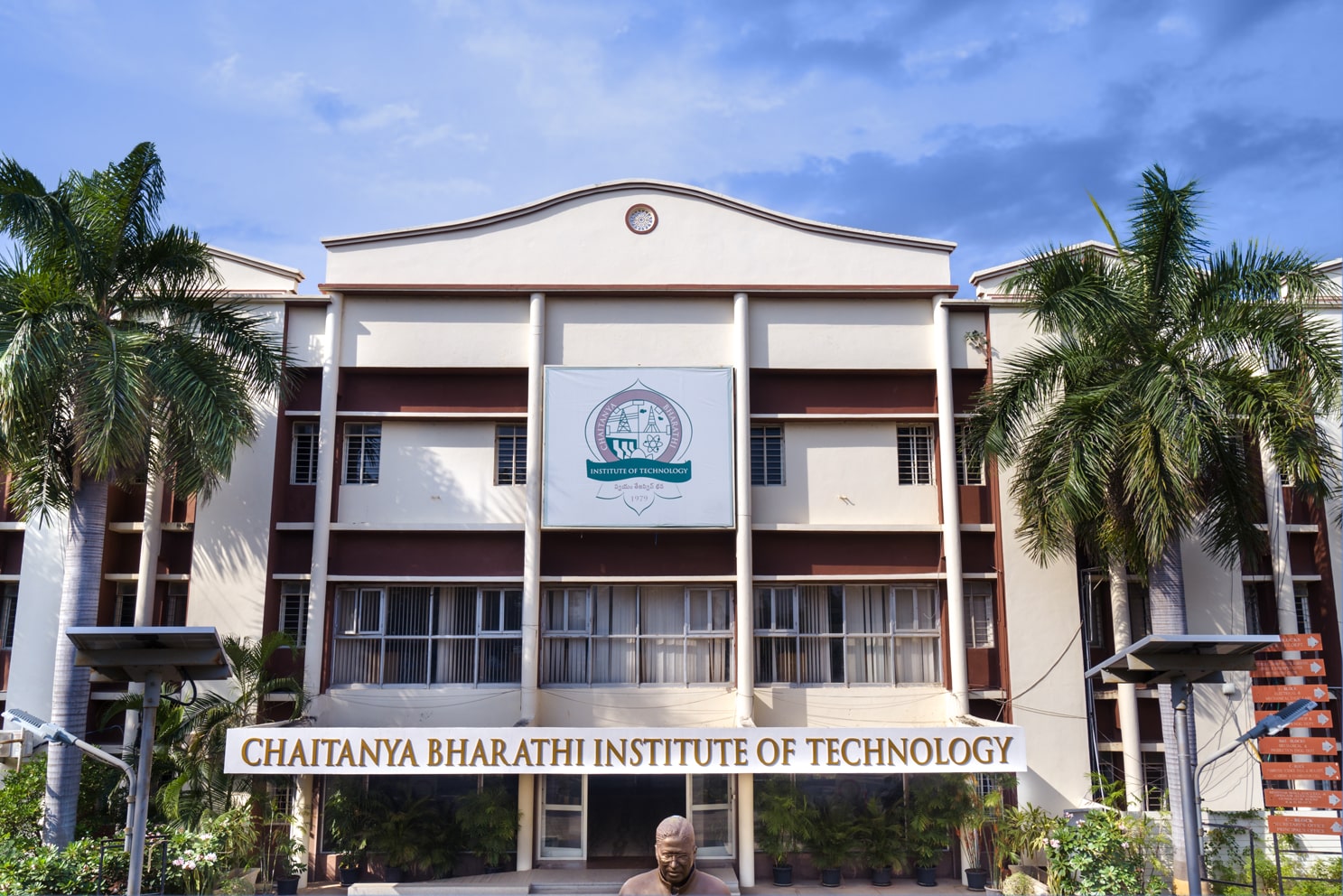
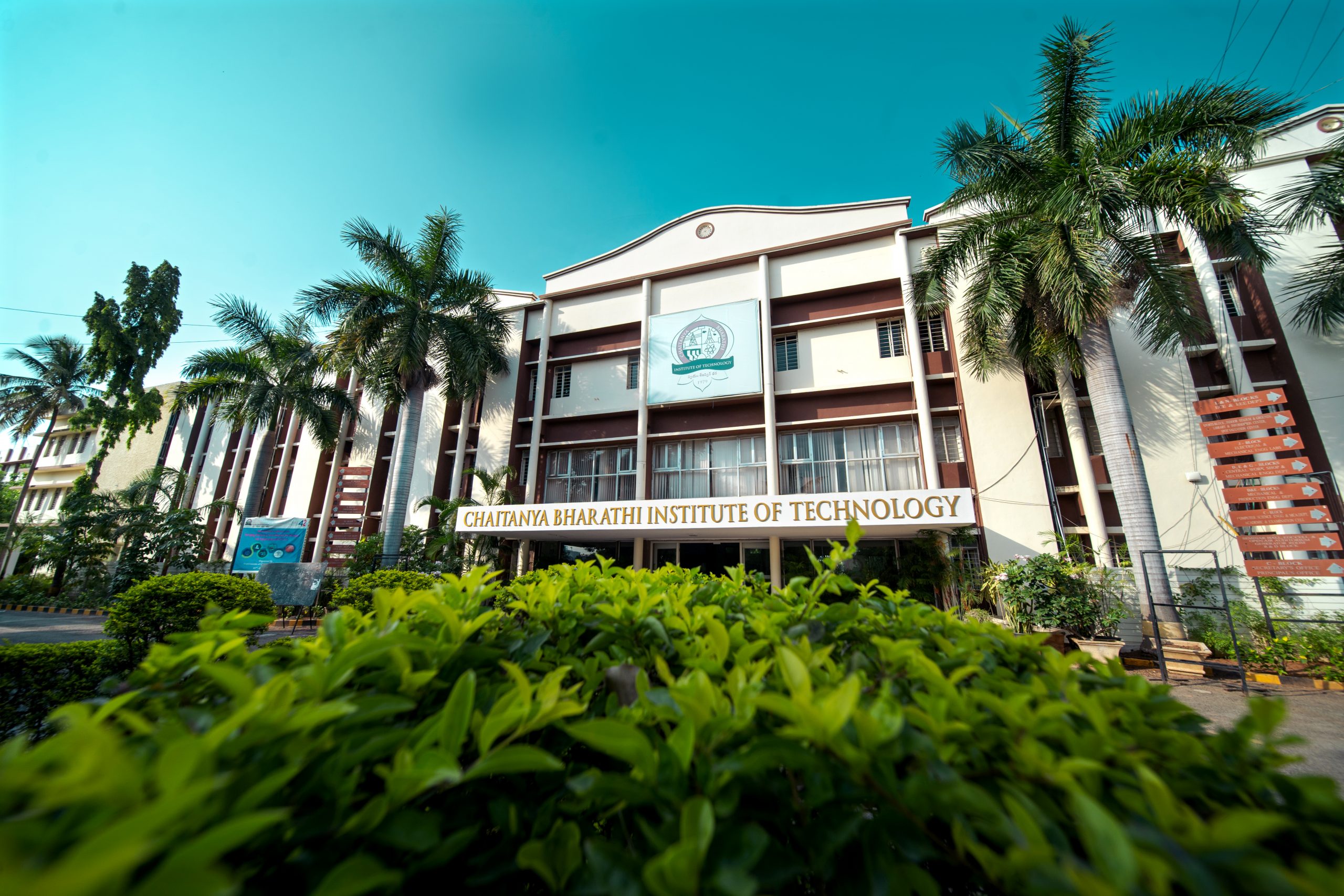
(AIML) at Chaitanya Bharathi Institute of Technology (CBIT).
Call for Papers
A sustainable society is driven by the principle of realizing peace and
prosperity for all people and the planet with an inclusiveness that “leaves no
one behind.” This conference takes paper submissions on research and development
of ML techniques in the context of sustainable societies. International
conference on machine learning for society can encompass a wide range of topics
and tracks that address the societal impact and applications of machine learning
Topics may include, but are not limited to.
Publication and Indexing:
It is planned to publish the proceedings with Springer series (final approval
pending)
Track 1: Ethics and Fairness in Machine Learning:
Fairness and bias in machine learning algorithms
Ethical considerations in data collection and usage
Responsible AI and machine learning practices
Algorithmic transparency and interpretability
Track 2: Machine learning for Social Good:
Healthcare applications of machine learning
Environmental sustainability and conservation
Poverty alleviation and social welfare
Disaster response and recovery
Track 3: Machine learning for Education and Outreach:
Machine learning in education and skill development
Public awareness and education on AI and ML
Outreach programs for underrepresented communities
Promoting diversity and inclusion in AI/ML fields
Track 4: Machine learning for Privacy and Security:
Data privacy and protection in machine learning
Secure machine learning models and deployment
Adversarial attacks and defences
Privacy-preserving machine learning techniques
Track 5: Machine learning for Natural Language Processing for Society:
Machine translation and cross-lingual communication
Sentiment analysis and emotion detection
Fake news detection and information verification
Language models for accessibility and inclusivity
Track 6: Machine learning for Healthcare and Biomedical Applications:
Medical image analysis and diagnosis
Drug discovery and personalized medicine
Predictive analytics in healthcare
Monitoring and improving healthcare delivery
Track 7: Machine Learning for Education:
Personalized learning and recommendation systems
Educational data mining and learning analytics
Adaptive assessment and grading systems
Educational technology and AI-enhanced classrooms
Track 8: Machine learning for Social and Economic Impact:
Labor market effects of automation and AI
Economic implications of AI adoption
AI in government and public policy
Social and cultural impacts of AI/ML
Track 9: Machine learning in Agriculture and Food Security:
Precision agriculture and crop management
Food quality and safety monitoring
Supply chain optimization
Pest and disease detection
Track 10: Machine Learning in Urban Planning:
Smart city applications and infrastructure
Traffic management and transportation optimization
Energy efficiency and sustainable urban development
Crime prediction and public safety
Track 11: Machine learning for Humanitarian Aid and Crisis Response:
Disaster management and relief efforts
Refugee support and displacement## tracking
Humanitarian logistics and resource allocation
Conflict resolution and peacekeeping
Track 12: Machine learning in Arts & Culture:
Creative AI and generative art
Cultural preservation and heritage digitization
AI-enhanced entertainment and storytelling
Music and performance AI applications
Submission
Information and Guidelines for Authors:
Papers are expected to be within the 8-15 page range. The review process
takes into account both the quality in writing and the scientific impact of the
work. Authors should clearly identify the problem, their contribution(s),
justification with respect to the state-of-the-art works
Initial Submission and Evaluation:
The manuscripts for initial submission should be submitted in a single. Doc
or .PDF format file.
Authors are instructed not to include name and affiliation details in the
paper as conference follows single blind review process.
All papers will be assigned a paper ID. You will receive this ID after you
have completed the paper submission process. Authors are then required to use
the paper ID assigned to them for all future correspondence regarding this
paper.
The manuscripts initially will be checked for PLAGIARISM followed by single
blind review process.
All papers that confirm to submission guidelines will be peer-reviewed by at
least two independent referees from the Conference Review Board and evaluated
based on originality, technical and/or research content/depth, correctness,
relevance to conference, contributions, and readability.
IMPORTANT NOTE: Authors must obtain permissions from the previous
publisher(s) for any material (text, figures, tables etc.) they want to reuse,
and submit the same with paper.
Acceptance of Papers:
Based the decisions given by our reviewers the decision of paper
acceptance/rejection will be communicated authors through email.
The authors of the accepted papers will be allowed to make corrections in
accordance with the suggestions of the reviewers and submit final camera-ready
papers within the stipulated deadline.
Final Submission of papers:
Each accepted final paper must be accompanied by the dully filled in
copyright form called Consent to Publish (CTP), which we ask a corresponding
author to complete and sign. The final submission should be prepared as a
separate zipped file as mentioned below.
All final submissions should be in a .zip compressed archive including:
The source (input) files, i.e. TeX source files for the text and figure
files (300 dpi resolution),
Any style files, templates, and special fonts the authors may have used,
MS Word file in the case of using MS Word,
The final Postscript (.ps) or Adobe Acrobat (.pdf) file,
CHAITANYA BHARATHI INSTITUTE OF TECHNOLOGY, established in the Year 1979,
esteemed as the Premier Engineering Institute in the States of Telangana and
Andhra Pradesh, was promoted by a Group of Visionaries from varied Professions
of Engineering, Medical, Legal and Management, with an Objective to facilitate
the Best Engineering and Management Education to the Students and contribute
towards meeting the need of Skilled and Technically conversant Engineers and
Management Professionals, for the Country that embarked on an Economic Growth
Plan.
The Institute, committed to Education and Innovation, started with
three-Degree Courses in Engineering for 200 Students and over the 45 Years, has
emerged as a Dream Destination for; Students seeking to excel in Engineering and
Management Education, Teaching Community to progress with a rewarding Career and
Corporates to source well-rounded Engineers.
Dates
Last date for submission:
10th October 2024
Acceptance Notification:
10th November 2024
Camera Ready Submission & Registration:
20th November 2024
Conference Dates:
3rd and 4th December 2024
Registration
THIS IS A FREE REGISTRATION EVENT
The event is supported by Chaitanya Bharathi Institute of Technology, and it
is a FREE admission event, but registration is needed. Certificate of attendance
will be issued for the presentation of technical papers, (and/or), attendance of
the conference. Certificates will be emailed to participants automatically,
immediately after the end of the conference.